
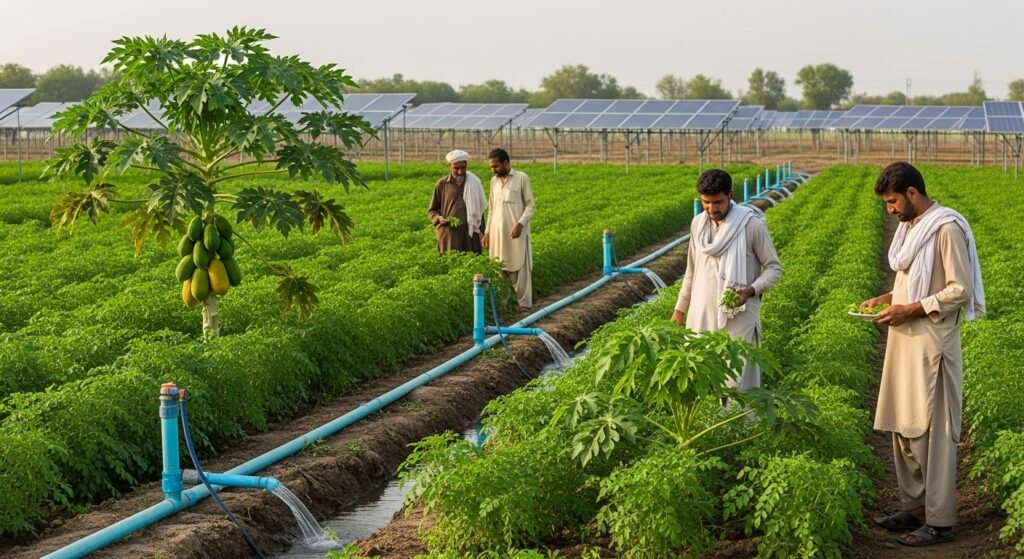
The global food system is at a turning point. As the world population continues to grow, climate patterns become unpredictable, and natural resources face increasing pressure, traditional farming methods are struggling to keep up. Consumers, governments, and industries are now asking one critical question: How do we feed future generations without harming the planet?
The answer lies in a powerful and transformative approach—sustainable farming. This modern agricultural model blends traditional wisdom with scientific innovation to build a system that supports people, the planet, and long-term food security.
Here’s a closer look at why sustainable farming is not only important today but essential for the future of food production.
1. Restoring the Foundation: Healthy Soil, Healthy Food
Soil is more than dirt—it’s a living ecosystem filled with microorganisms, minerals, and nutrients that support plant life. Industrial agriculture has damaged this vital resource through overuse of synthetic chemicals, monocropping, and excessive tilling. Sustainable farming reverses this damage by focusing on:
- Organic compost and natural fertilizers
- Crop rotation to balance soil nutrients
- Reduced tilling to prevent erosion
- Cover cropping to maintain soil structure
These practices rebuild soil health, increase fertility, and support long-term food production. Healthier soil means healthier crops—and ultimately, more nutritious food on our plates.
2. Reducing the Environmental Footprint
One of the biggest reasons sustainable farming is the future is its impact on the environment. Traditional farming contributes to pollution, greenhouse gas emissions, and water contamination. Sustainable agriculture, on the other hand, prioritizes eco-friendly solutions.
Key approaches include:
- Natural pest management, reducing reliance on chemical pesticides
- Efficient irrigation, such as drip systems that save water
- Renewable energy use, including solar-powered equipment
- Minimal chemical use, keeping waterways clean
These methods significantly reduce environmental harm and create a farm system that supports, not destroys, the natural world.
3. Protecting Biodiversity and Strengthening Ecosystems
Biodiversity is the backbone of a healthy agricultural landscape.
Sustainable farms grow a variety of crops and protect natural habitats, which benefits the entire ecosystem.
A biodiverse farm:
- Attracts pollinators such as bees and butterflies
- Encourages beneficial insects that control pests naturally
- Reduces the spread of plant diseases
- Supports wildlife and improves ecological balance
By embracing diversity in crops and wildlife, farms become more resilient and capable of withstanding climate changes, pests, and shifting weather patterns.
4. Building Strong Communities and Fair Food Systems
Sustainable farming doesn’t only focus on plants and soil—it supports the people who make food production possible.
This includes fair compensation, safe working conditions, and long-term partnerships with farmers.
A sustainable food system improves communities through:
- Ethical farming practices
- Fair wages for workers
- Local supply chain development
- Empowerment of small-scale farmers
These practices strengthen rural economies and create opportunities for families who rely on agriculture for their livelihoods.
5. Meeting the Rising Demand for Clean, Transparent Food
Consumers today are more conscious than ever about what they eat. They read labels, seek organic alternatives, and prefer brands that prioritize honesty and sustainability.
Sustainable farming aligns perfectly with this shift.
Products grown through sustainable practices ensure:
- Chemical-free consumption
- Higher nutrient density
- Full traceability
- Cleaner, safer food
This trust builds stronger relationships between brands and consumers, making sustainability a core part of long-term business success.
6. Adapting to Climate Change and Future Challenges
Climate change poses serious risks to the food supply—droughts, extreme weather, rising temperatures, and soil degradation. Traditional farming methods cannot withstand these challenges in the long run.
Sustainable farming, however, is built for resilience.
Practices such as:
- Water conservation
- Crop diversity
- Regenerative soil techniques
- Drought-tolerant crop choices
help farms survive and thrive even in uncertain environmental conditions.
This makes sustainable farming the smartest and most responsible path forward.
7. Reducing Food Waste Through Efficient Farming
Another advantage of sustainable agriculture is its focus on efficiency.
By using smarter harvesting practices, better storage techniques, and natural preservation methods, farms can reduce food loss significantly.
This ensures that more of what is grown reaches consumers—boosting food availability and reducing environmental waste.
8. Technology and Tradition Working Together
Sustainable farming beautifully merges ancient agricultural wisdom with modern innovation. Today’s farms use tools such as:
- Soil health sensors
- Water monitoring systems
- Eco-friendly machinery
- Precision agriculture technology
These tools help optimize farming without compromising natural balance.
It’s a future where technology serves the earth—not the other way around.
9. A Long-Term Vision for Future Generations
Sustainable farming is not a short-term fix—it’s a long-term investment in the planet.
It ensures that the land remains fertile, resources are preserved, and food continues to be abundant for future generations.
By caring for the soil today, farmers protect the world their children will inherit tomorrow.
Conclusion: The Future of Food Depends on Sustainability
As the world evolves, so must our food systems. Sustainable farming offers a path that is healthier, cleaner, and more resilient. It protects natural resources, empowers farmers, and provides consumers with food they can trust.
It’s more than a farming method—it’s a global movement toward harmony between humans and nature.
The future of food production isn’t just sustainable.
It must be sustainable.